The Hidden Truth About Water Quality
Water Quality: The Hidden Truth
Water quality is often judged by how clear water looks or how it tastes, but true water quality goes much deeper than surface-level impressions. Bottled water is widely seen as a cleaner, safer alternative to tap water, yet increasing evidence suggests that packaging, storage conditions, and microplastic contamination can quietly reduce its quality over time. To properly assess water quality, we need to consider the full journey of drinking water from source to storage to consumption.
Is That Bottled Water Still Safe? Here’s How Long It Lasts?
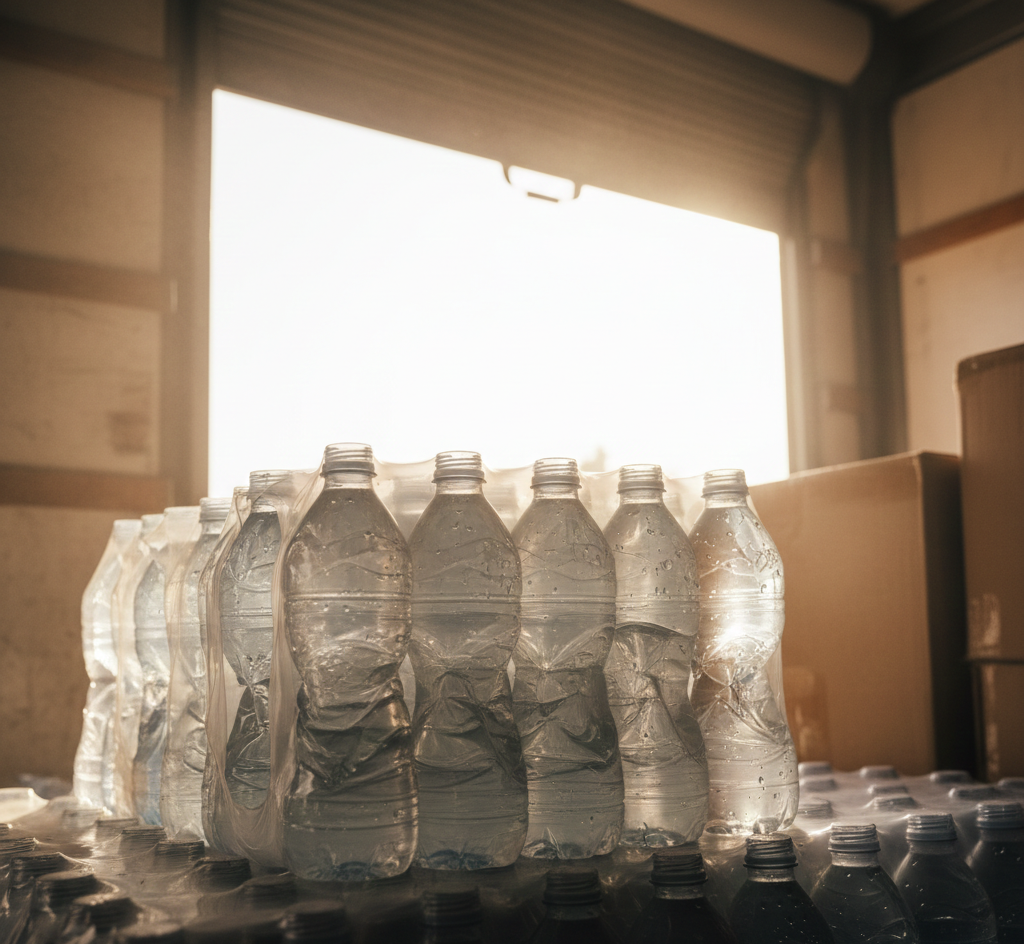
A key question many consumers ask is how long is water in a plastic bottle deemed to be safe to drink. Water itself does not spoil, but the plastic bottle it is stored in does degrade over time, however the costs associated with bottled water ranges from financial, physical and environmental.
Most bottled water is packaged in PET plastic. Under ideal conditions cool temperatures, no direct sunlight, and minimal handling bottled water may be considered safe for around one to two years. However, exposure to heat, light, and long storage periods can cause chemical changes in the plastic, reducing water quality even if the water still looks and tastes normal.
What Triggers Microplastics to Form in Bottled Water?
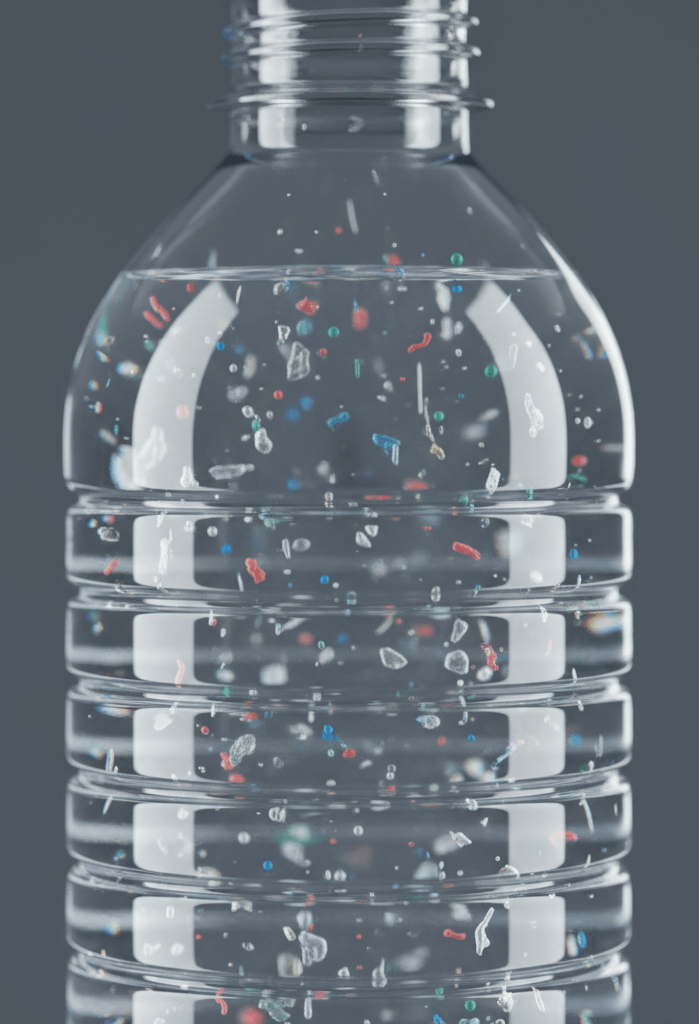
One of the biggest modern concerns affecting water quality is microplastic contamination. What process kicks off the microplastics to form in bottled water is primarily related to stress placed on the plastic bottle
Plastic Degradation and Environmental Stress
Microplastics form when plastic bottles are subjected to:
- Heat during transportation or storage
- UV radiation from sunlight
- Physical pressure such as squeezing or vibration
- Natural aging of plastic polymers
These stressors cause the internal surface of the bottle to shed microscopic plastic particles into the water. Even when bottled water meets safety standards, the presence of microplastics can still compromise overall water quality.
Does This Apply to Both Sparkling and Still Water?
When comparing bottled water types, many ask is this the same for sparkling water and still water. The answer is no, sparkling water can present additional water quality challenges.
Carbonation and Plastic Interaction
Sparkling water contains dissolved carbon dioxide, which increases pressure inside the bottle. This pressure can increase friction between the water and the plastic container, accelerating plastic breakdown. Carbonation can also slightly change the water’s acidity, further influencing how plastic degrades. As a result, sparkling bottled water often contains higher levels of microplastic particles than still water stored under similar conditions, negatively impacting water quality.
What Happens When Microplastics Enter Your Body?
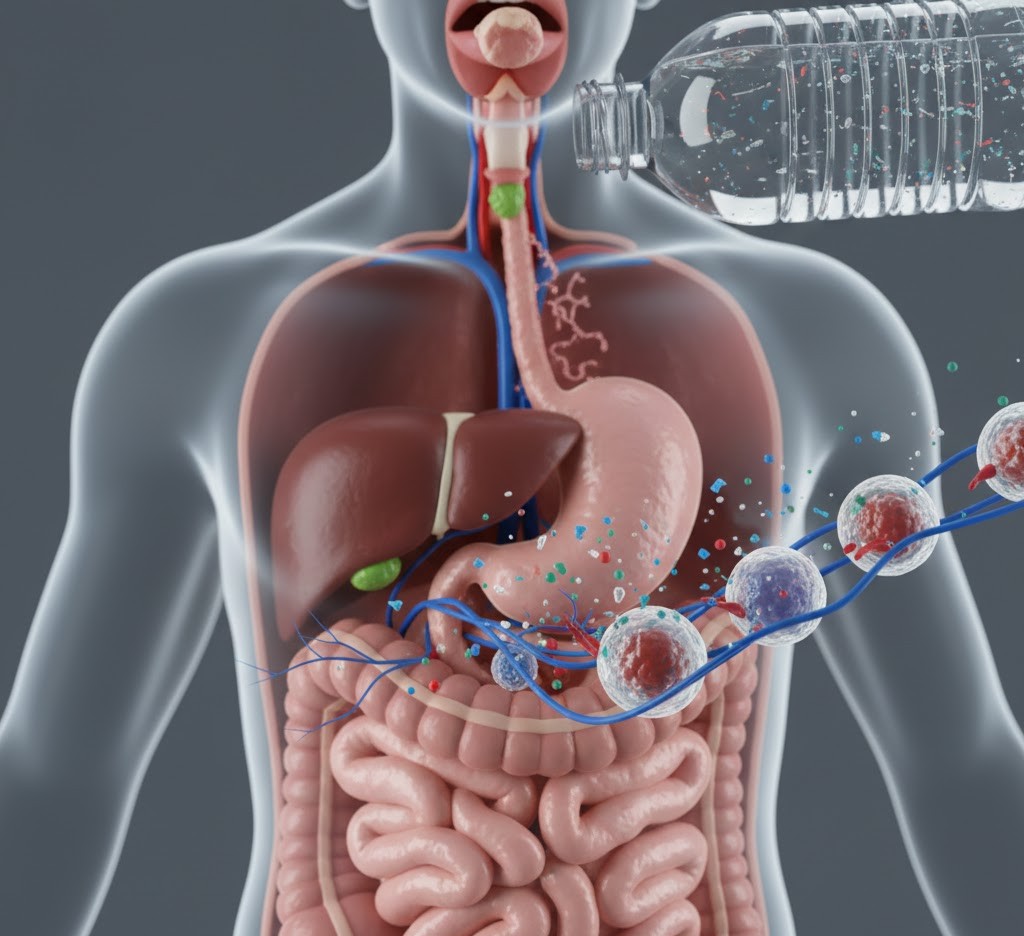
Water quality matters because it directly affects human health. So, what do micro plastic particles do to the body once they are consumed?
Research is ongoing, but early findings suggest microplastics may:
- Cause inflammation in the digestive system
- Carry harmful chemicals or heavy metals into the body
- Interfere with hormone regulation
- Accumulate in tissues when particles are extremely small
Microplastics have already been detected in human blood and organs, raising concerns about long-term exposure through drinking water and its effect on water quality.
Your Content Goes Here
How Does the Body Get Rid of Microplastics?
Another important question is how does the body get rid of it. The body can eliminate some microplastics, but its ability to do so is limited.
Larger particles may pass through the digestive system and be excreted. The liver and kidneys can filter certain contaminants, and immune responses may isolate foreign materials. However, very small microplastics and nano plastics are difficult for the body to remove, meaning they may build up over time. From a water quality perspective, prevention is far more effective than relying on biological elimination.
Rethinking Water Quality Beyond the Bottle
When water quality is viewed holistically, it becomes clear that bottled water is not automatically superior. Even water that starts out clean can lose quality due to plastic packaging and long storage times. This has led many people to reconsider tap water, particularly when it is properly treated and filtered.
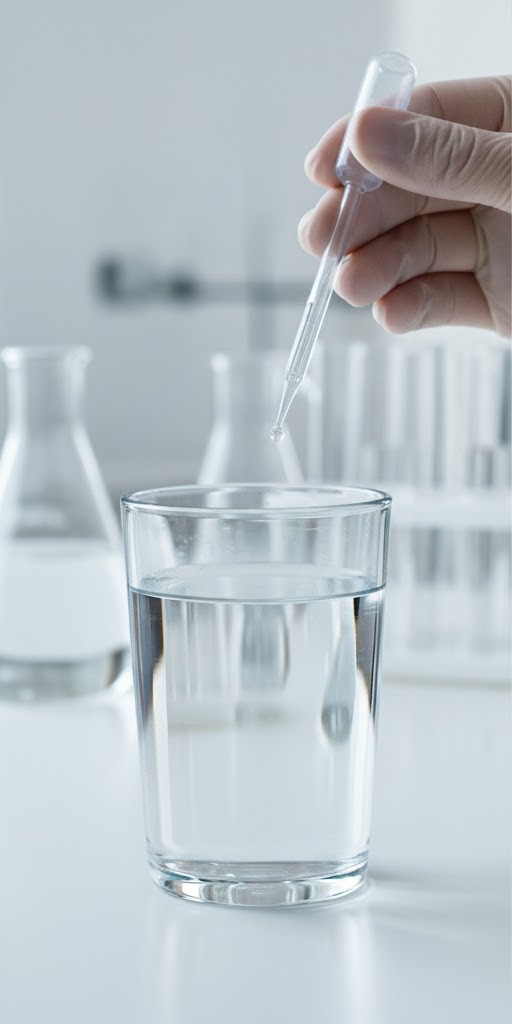
What Water Quality Testing Reveals About Your Tap Water
Before choosing any filtration solution, it’s essential to understand what is actually in your water. Effective water quality management begins with testing, as the type of water filtration system required for tap water taken from municipal water depends entirely on the contaminants present and the level of water quality you want to achieve.
Although municipal water is treated to eliminate harmful pathogens, it can still contain microplastics, chlorine by-products, heavy metals, and trace pollutants that affect overall water quality. Water quality testing provides clarity, replacing assumptions with data and allowing homeowners to make informed decisions about treatment and filtration.
What Water Quality Tests Reveal About Your Water
- Basic water quality test kits check chlorine levels, pH balance, hardness, and total dissolved solids, providing a quick overview of overall water quality.
- Advanced laboratory testing can identify heavy metals such as lead and copper, along with chemical residues and microplastics.
- Microbiological testing detects bacteria and other microorganisms that may affect water safety and long-term quality.
- Comprehensive water quality analysis delivers a detailed contaminant profile, making it easier to choose the most effective purification or filtration solution.
Why Home Water Purification Is the Smarter Alternative
As concerns around microplastics and plastic degradation continue to grow, many people are looking beyond bottled water for a safer long-term solution. A properly installed home water purification system addresses water quality at the source, eliminating reliance on plastic packaging altogether. By filtering tap water before it reaches your glass, homeowners can reduce exposure to microplastics, chemical residues, and other contaminants while gaining consistent access to clean water. Because effective filtration depends on accurate data, Water Quality Testing should always be conducted by a reliable, qualified testing provider to ensure results are trustworthy and actionable. Exploring how a Water Purification System for House use works reveals why filtration is increasingly seen as the most reliable way to protect water quality at home.
Final Thoughts on Water Quality
True water quality is about more than convenience or branding. Bottled water may appear clean, but storage time and plastic exposure can quietly compromise its quality. Understanding how microplastics form, how they affect the body, and how water can be purified at home allows consumers to make better long-term decisions setting the stage for deeper exploration into modern water purification systems.