

Decking Prices – What Effects The Cost Of A Deck
Key Factors That Influence Decking Pricing and Decking Costs Per m²
When comparing quotes for wooden decking or outdoor structures, understanding the cost drivers is essential. Calculating the true wooden decking price per m² can be challenging without professional expertise, so we’ve outlined the key factors homeowners should know.
To assist you quickly, we’ve also provided an upfront summary of the typical decking cost per square meter before going into further detail.
- Pine: From R1500 – R2200 per m²
- Balau: From R2400 – R2800 per m²
- Garapa: From R2400 – R2800 per m²
- Massaranduba: From R2800 – R3200 per m²
If you’re being quoted less than these figures, it’s worth questioning how long the deck will truly last – and why. Accurate decking prices can only be determined through a proper quotation, taking all site factors into account. A professional site inspection is essential, and our experienced partnering outsourced teams at Cape Decking can provide exactly that.
The list below covers the main items a professional installer considers when preparing a detailed quotation. A professional installer can work out these decking costs within minutes and provide an estimate. Always get a quotation subject to a site inspection and a final written quotation! Contractor quotes may or may not be VAT registered, may or may not have insurance.
Decking Costs Explained
Factors That Determine The Costs Of A Deck
- Choosing the cheapest quote rarely delivers the results you expect.
- Professional installers provide the right materials, machinery, transport, and experienced labour.
- These combined skills come at a premium – if you’re paying far less, something is missing, and the end product will suffer.
- Quality workmanship costs more, but it protects your investment and ensures a durable finish.
▪ Labour
One of the main costs is based on skilled artisans with knowledge on how to install a deck
▪ Materials
Choosing the right materials will determine the longevity of your end product.
 Equipment

You need the right tools to build a deck safely and accurately. Circular saws, drills, and sanding machinery help ensure a clean, professional result, while good materials improve strength and lifespan.
Other essentials include measuring tools, fastening tools, and post-hole digging equipment to create a solid foundation & sub-structure.
Key Decking Cost Per m² Drivers Explained
Sub structure.
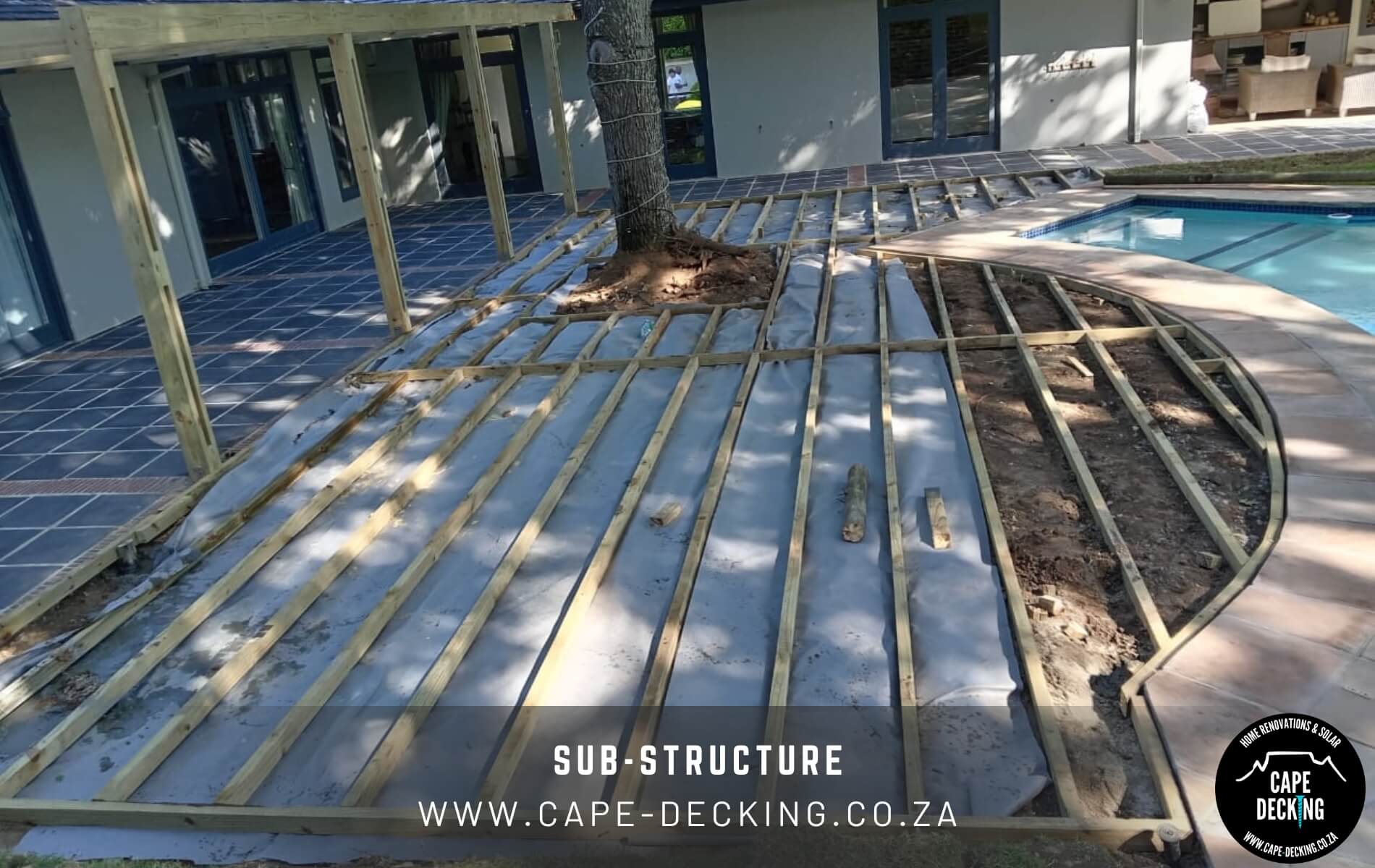
The sub structure is the “skeleton” of your deck or pergola. It carries the weight of people, furniture and the boards themselves. Stronger, properly spaced joists and beams cost more in materials and labour, but they prevent sagging, movement and premature failure – which directly affects long-term decking costs.
Ground preparation.
Existing paving, lawn, sand, roots or rubble all need to be dealt with before the first post goes in. Clearing vegetation, removing waste, levelling, compacting and adding ground cover (such as biddum cloth) all add time, labour and disposal costs to a decking project.
Labour.
The number of workers on site, their skill level and the time needed to complete the job are major cost drivers. Complex designs, raised decks, stairs and tight working spaces all increase labour hours – and therefore the final decking cost.

Number of screws and joints.
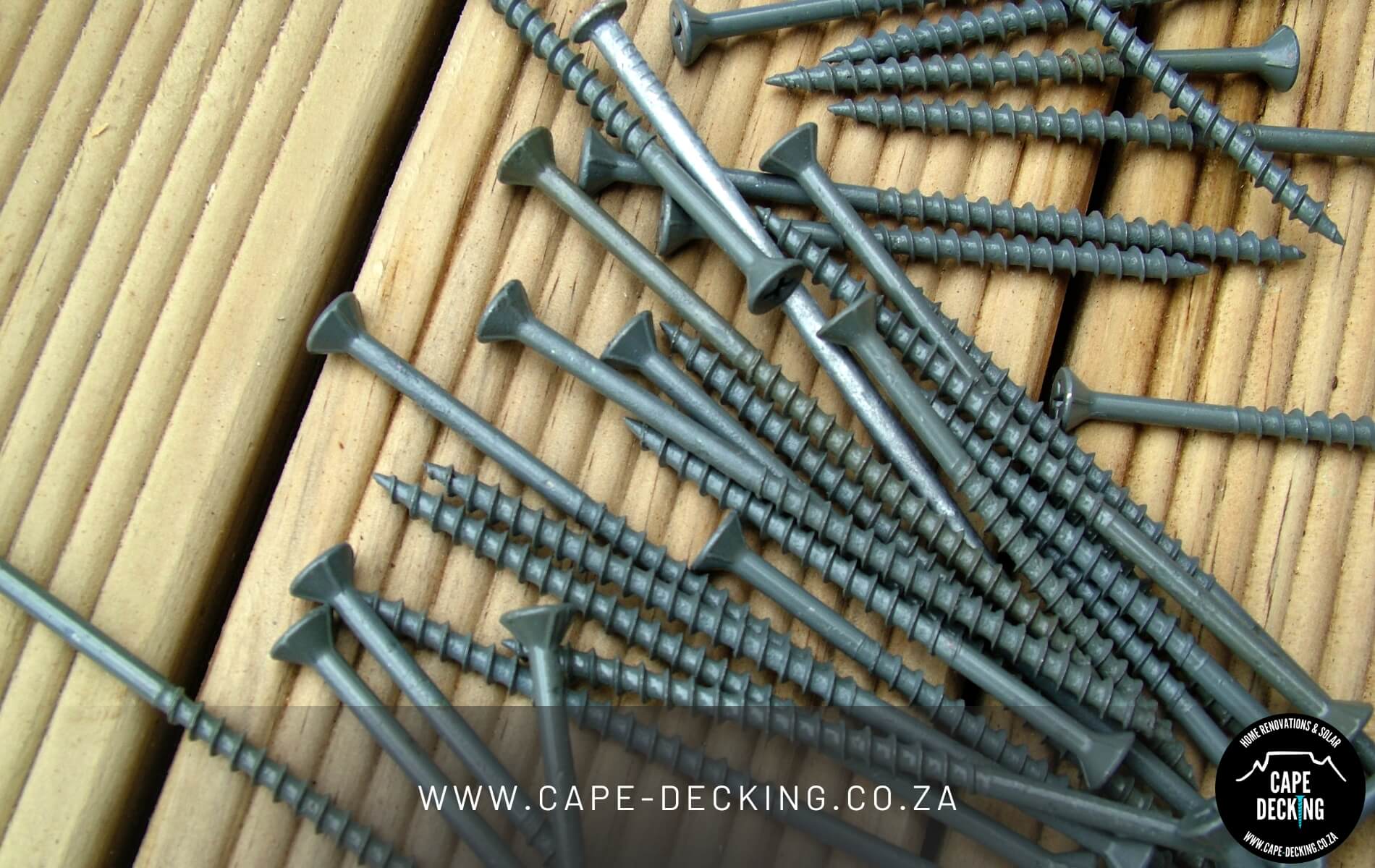
Every board needs to be fixed securely, which means a high number of screws and joints per square metre. More fixings mean more time on site and higher material cost, but also a more stable, longer-lasting structure with fewer squeaks, gaps and loose boards.
Quality of wood selection and cost per m² of wood.
Premium hardwoods like Garapa or Balau cost more per square metre than treated pine, but they’re denser, more stable and last longer outdoors. Your choice of timber species and grade has one of the biggest impacts on overall decking pricing.
Quality of type of screws used.
Using stainless steel or marine-grade screws is essential for decks and fences, especially near the coast. They are more expensive than mild steel screws, but they don’t rust, snap or stain the timber – reducing future repair and maintenance costs.
The painting of a sealant on the wood or not.
Applying a quality sealant, oil or varnish adds to the upfront cost, but it protects the wood against UV, moisture and cracking. Skipping this step may lower the quote, but it usually leads to higher maintenance and replacement costs over the life of the deck.
Materials
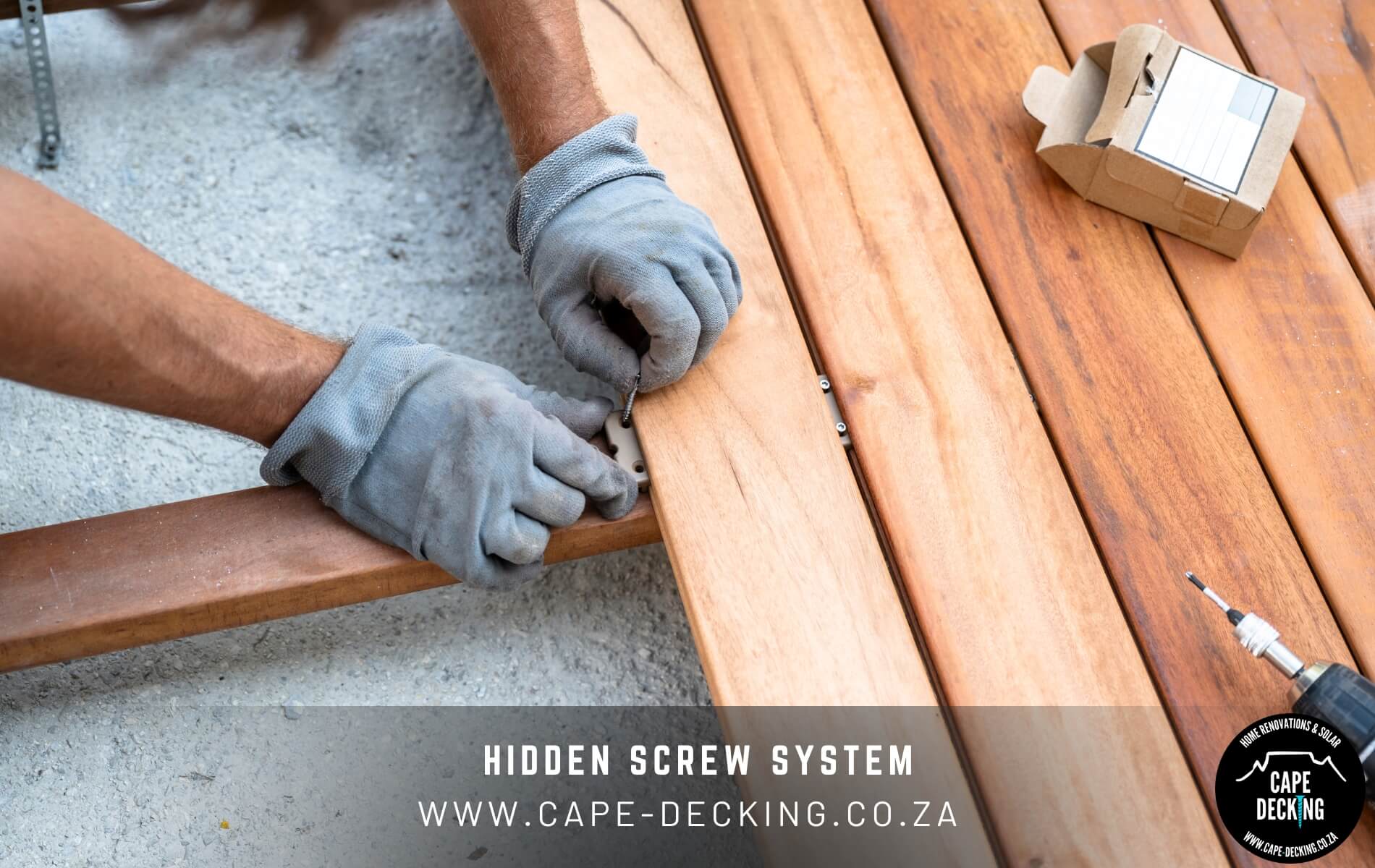
Beyond the decking boards, there are many “hidden” materials: sub structure timber, posts, beams, concrete, brackets, joist hangers, screws, sealants and ground cover. A detailed bill of materials ensures you get a realistic view of the true project cost. That in it’s self is an additional cost, we only provide this if requested up-front.
Type and quality of materials.
Higher-quality materials – from hardwoods to stainless steel hardware and branded sealants – cost more initially, but they increase durability and reduce long-term maintenance. Cheap materials might bring the quote down, but they usually shorten the lifespan of the deck or fence.
Dimensions of the area that needs to be covered.
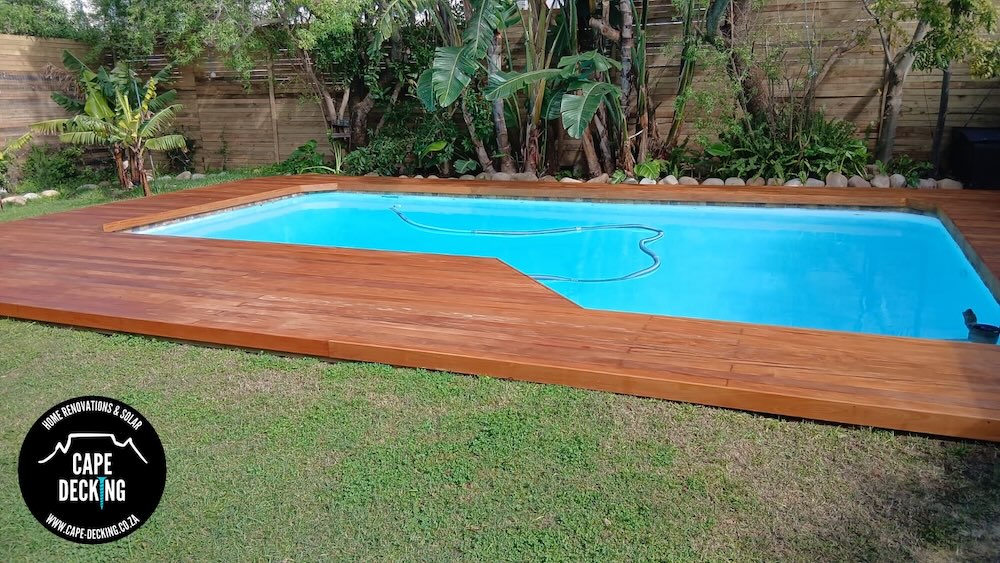
The total square metres, shape of the area and any cut-outs around pools, trees or existing structures directly affect material quantities and labour time. Larger or more complex footprints lead to higher decking prices because there’s simply more to build, cut, support and finish.

An example of factors that determine your wooden decking cost per m2 include:
- Type of wood
- Quality grade of wood
- Amount of wood required
- Board thickness
- Board length
- Substructure type
- Substructure wood size
- Substructure spacing
- Height above ground
- Ground preparation
- Levelling of surface
- Excavation needed
- Removing existing materials
- Removing vegetation
- Manual digging
- Machinery hire
- Breaking rocks or boulders
- Anchoring into rock
- Soil type
- Water drainage requirements
- Waterproofing requirements
- Biddum cloth ground cover
- Weed barrier treatment
- Distance of transport
- Delivery fees
- Fuel costs
- Number of labourers
- Daily labour rate
- Number of days required
- Screw type
- Screw length
- Screw quantity
- Stainless steel screws
- Hidden clip system
- Brackets or hardware
- Posts and beams
- Concrete footings
- Concrete quantity
- Post anchors
- Metal supports
- Joist hangers
- Deck design complexity
- Angles and cut-outs
- Curved sections
- Staircases
- Handrails
- Balustrades
- Fencing panels
- Gates
- Custom gate frames
- Sliding or hinged gate hardware
- Pergola roof type
- Polycarbonate sheets
- Laths or slats
- Shade cloth
- Height of pergola
- Span between beams
- Treatment or oil
- Varnish or stain
- Number of coats
- UV protection product
- Site accessibility
- Carrying materials by hand
- Working in confined space
- Working on slopes
- Coastal environment considerations
- Salt and wind exposure
- Storm-weather preparation
- Waste removal
- Refuse dumping fees
- Protective coatings
- Maintenance plan
- Site safety requirements
- Insurance and compliance
- Design fees
- Engineering fees
- Project management
- Installer experience level




Share This Story, Choose Your Platform!
Related Posts


In this Article
- Key Factors That Influence Decking Pricing and Decking Costs Per m²
- Decking Costs Explained
- Key Decking Cost Per m² Drivers Explained
- Sub structure.
- Ground preparation.
- Labour.
- Number of screws and joints.
- Quality of wood selection and cost per m² of wood.
- Quality of type of screws used.
- The painting of a sealant on the wood or not.
- Materials
- Type and quality of materials.
- Dimensions of the area that needs to be covered.
- An example of factors that determine your wooden decking cost per m2 include:
- Get A Quote
RECENT BLOG POSTS
SEARCH THE SITE
TAGS